Reputable Roofing Partner for Quality Home Coverage
Deciding on a reputable roofing contractor is a vital choice for homeowners. A qualified professional ensures adherence with industry standards and alleviates potential risks. The right contractor not only furnishes tailored solutions but also emphasizes strong communication and trustworthiness. This foundation establishes a safe and shielded home. However, the process of finding such a contractor demands more than just a quick search. Understanding the essential qualities and factors can make all the difference.
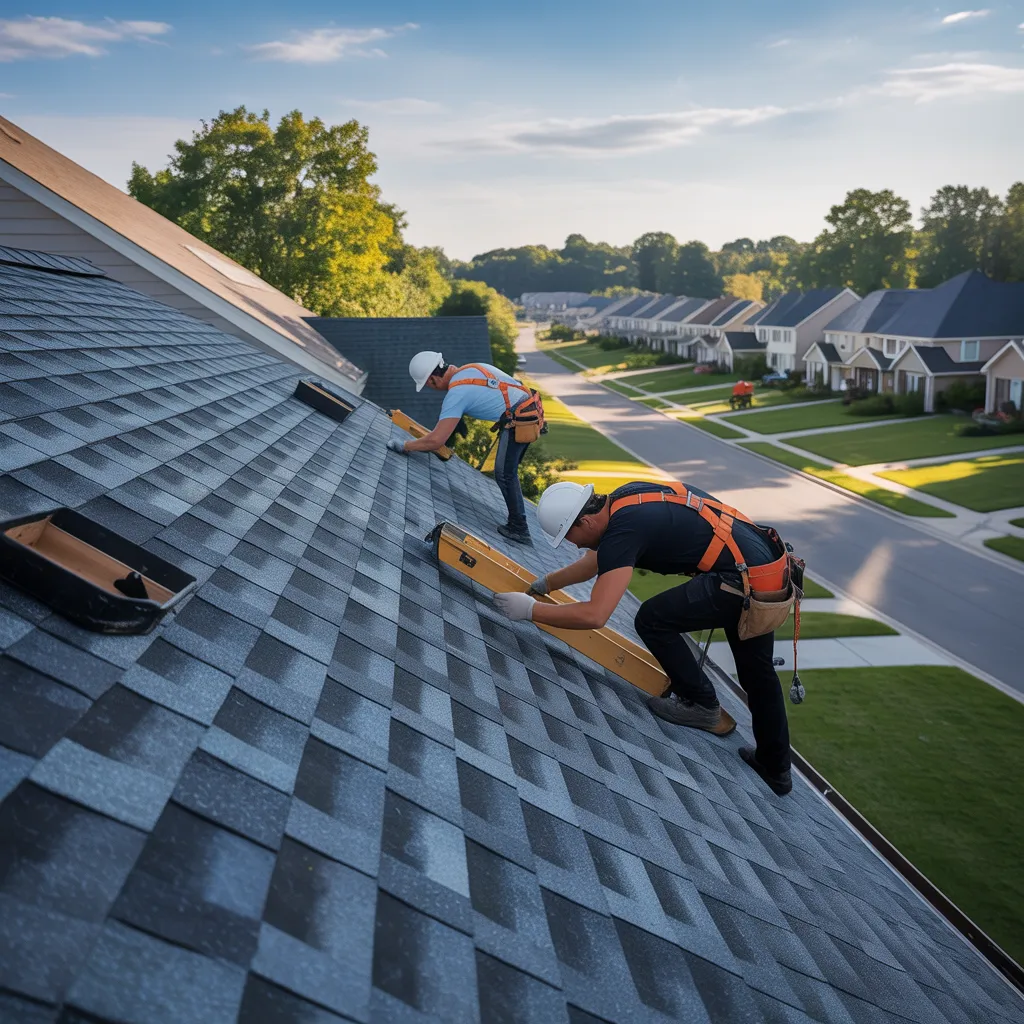
Why Selecting the Ideal Roof Professional Is Important
How vital is it to choose the right roofing contractor? The appointment of a roofing contractor profoundly affects the longevity and productivity of the roofing system. An improperly installed roof can lead to leaks, structural damage, and increased energy costs, ultimately compromising the home's safety. A reputable contractor provides adherence with local building codes and applies high-quality materials, facilitating a robust and reliable roof. Additionally, experienced contractors supply practical wisdom into the best roofing solutions tailored to specific needs, fortifying overall home protection. A improperly selected contractor, conversely, may produce subpar workmanship and unforeseen expenses. This decision holds long-term repercussions; accordingly, thorough examination and evaluation are essential. Securing a dependable contractor not only secures the roof but also fosters peace of mind for homeowners, knowing their investment is safeguarded. Ultimately, selecting the right roofing contractor is foundational to maintaining the integrity of the home.
Key Qualities to Search for in a Roofing Professional
Determining the right roofing professional calls for careful consideration of several qualities that guarantee a completed project. First, a trusted contractor should have proper credentials and insurance, confirming compliance with local regulations and defense against potential liabilities. Knowledge in the roofing industry is essential, as it shows a contractor's ability to handle multiple challenges proficiently.
Furthermore, effective interaction abilities are necessary; a capable contractor gives clients ongoing information throughout the project, addressing concerns without delay. Accountability is another core quality, confirming that the contractor can respect timelines and commitments.
Furthermore, a solid collection presenting past work can provide insight into the contractor's skill and style. Finally, favorable customer feedback and recommendations function as a indicator of their standing and quality of service. By evaluating these important characteristics, homeowners can make a informed choice when picking a roofing contractor to safeguard their homes effectively.
Essential Roofing Materials: Varieties and Advantages
Roofing products play an essential role in the durability and aesthetics of a home. Various types exist, each with specific advantages and disadvantages. Asphalt shingles are favored due to their affordability and ease of installation, making them suitable for many homeowners. Metal roofing, known for its extended lifespan and weather resistance, can be a greener option, often reflecting heat to reduce energy costs.
Clay and concrete tiles present remarkable toughness and a conventional design, while slate roofing is much respected for its elegance and lifespan, although it comes at a higher price point.
Wood shakes give a natural aesthetic, but they require more maintenance. In the end, synthetic materials, like rubber or polymer shingles, incorporate the benefits of traditional materials while being lightweight and eco-friendly. Choosing the right roofing material is critical for securing both protection and aesthetic appeal, ultimately raising the home's worth.
Evaluating Roofing Estimates: What to Search For
When thinking about a new roof, evaluating estimates from roofing professionals is a significant step in the selection process. Homeowners should pay attention to important considerations to ensure they receive a comprehensive and equitable proposal. First, it is essential to examine the project scope outlined in each estimate, covering materials, labor, and any extra work. Detailed breakdowns aids in clarifying what is included.
Next, homeowners should seek out warranties on both materials and workmanship. A reliable contractor often provides a warranty that protects against flaws. Additionally, the schedule for job completion should be clearly defined, as delays can affect planning and budget.
In the end, it's prudent to examine the contractor's reputation through feedback and references, confirming they have a history of superior results. By carefully examining these aspects, homeowners can make informed decisions that best fit their needs and spending limit.
Why Licensing and Insurance Are Indispensable?
A strong base for any roof installation copyrights on the contractor insurance and licensing. Certification ensures that the contractor has satisfied particular industry standards and regulations, showing a commitment to professionalism and quality. It serves as a protection for property owners, suggesting that the contractor is capable to perform the work required.
Insurance, conversely, protects both the contractor and the homeowner from possible legal risks. In the event of incidents or harm during the roofing process, insurance offers coverage, assuring that financial burdens do not fall on the homeowner. Without adequate insurance, a homeowner might face substantial out-of-pocket expenses if something goes wrong.
Together, certification and coverage not only enhance the contractor's credibility but also provide peace of mind to homeowners. Hiring a skilled, licensed, and covered roofing contractor ultimately adds to the long-term protection and worth background information of the home.
Important Topics for Your Roofing Contractor?
How can homeowners ensure they select the right roof contractor? One effective approach is to create a set of essential questions to ask potential contractors. Homeowners should ask regarding the contractor's background and past projects to assess their expertise. It's also crucial to ask for references and reviews from previous clients, which can offer useful information into the contractor's reliability.
Another critical question concerns the materials and methods the builder plans to use, guaranteeing they satisfy professional guidelines. Homeowners should also confirm that the builder is properly licensed and insured, protecting against possible risks. Additionally, talking about the project timeline and payment structure can help clarify expectations. Finally, property owners should ask regarding guarantees on both labor and materials, providing confidence in durability and quality. By posing these specific inquiries, homeowners can arrive at educated choices, ensuring their roof project is completed effectively and efficiently.
The Way a Quality Roof Improves Your Home's Value
Putting money into a quality roof not only protects a home but also significantly boosts its market value. A well-constructed roof operates as a protective barrier against the natural forces, decreasing the likelihood of water damage and structural issues. Homebuyers often concentrate on the condition of the roof, as it plays a key role in their expected upkeep expenses.
Furthermore, an visually attractive roof can enhance the aesthetic quality of a property, making it more appealing to future buyers. Distinct roofing materials and designs can also shape property values; quality materials such as slate or metal tend to yield higher returns on investment.
Moreover, a contemporary roof can boost thermal performance, producing reduced utility bills, which is an desirable feature for eco-conscious buyers. Ultimately, a superior roof not only offers peace of mind but also represents a important asset in boosting a home's value in a intense real estate market.
Questions Posed Often
How much time Does a Common Roofing Project Take to Complete?
A conventional roofing project generally takes from a few days to a week to conclude. Elements such as roof size, climatic factors, and material type can determine the overall duration of the task considerably.
What Protection Plans Are Provided for Roofing Projects?
Various warranty options for roofing services are accessible, including manufacturer warranties protecting materials and labor guarantees from contractors. These warranties usually range from a few years to several decades, determined by the materials used and the contractor's policies.
What Steps Should I Follow to Maintain My Roof Following Installation?
After installation, a roof should be maintained through regular inspections, debris removal, gutter cleaning, and swift repair of any damage. Additionally, professionals recommend periodic preventative inspections to guarantee longevity and peak performance.
What Actions Should I Follow if My Roof Leaks?
If a roof drips water, the homeowner should first identify the cause of the water seepage, contain any water-related harm, and reach out to a professional for repairs. Quick response prevents further damage and assures the roof's structural integrity.
Is placing a fresh Roof Over an existing One an option?
Yes, putting a new roof over an existing one is workable, given that the current roof is in acceptable condition and local building codes sanction it. This technique can save time and reduce costs notably.